
The term hydroponics is extracted from two Greek words, hydro (water) and ponos (labour). Various types and changes of general hydroponics usage have been made throughout history. However, using several different hydroponics methods, it’s no surprise that the science of hydroponics has evolved and flourished, particularly with recent breakthroughs in food science and plant sciences.
Moreover, horticulturists and scientists have conducted several studies involving various forms of hydroponics in general. This technique is desperately needed in areas of the world where agriculture is impossible.
Indubitably, the best part about using hydroponics is that the plants can grow quickly in all the places around the world and at a higher yield because of the kinds of soil used to grow plants. Although, hydroponics abolish pesticides’ requirements by controlling the soil and shutting the environment that plants are in. However, many NZ hydroponic supplies are used in the process, such as plant clips, PVC pipes, plastic tubing, expanded clay pebbles, and planting cups.
Commercial Achievement
Commercial farmers are increasingly enthusiastic about the use of general hydroponics for growing fresh vegetables and produce. It is also becoming a standard method among conventional farmers.
The Benefits of General Hydroponics
The excellent benefit of general hydroponics is that it produces a better yield than traditional soil-based farming methods. It is a true blessing and a Godsend for parts of the planet where it is impossible to cultivate vegetables in soil. Since you have complete power over the growing ecosystem, chemicals and insecticides are unnecessary.
Utilisation of Nutrients
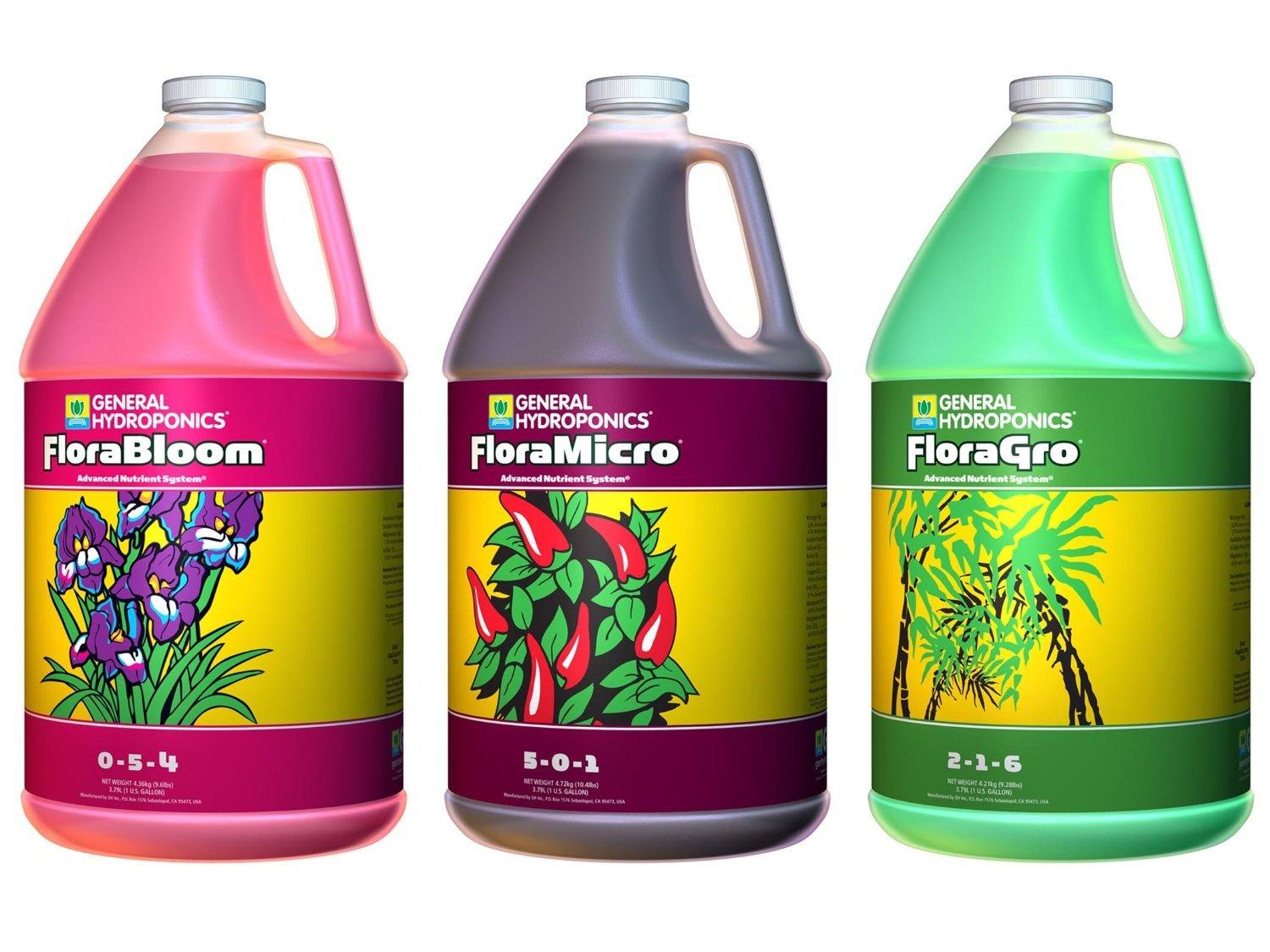
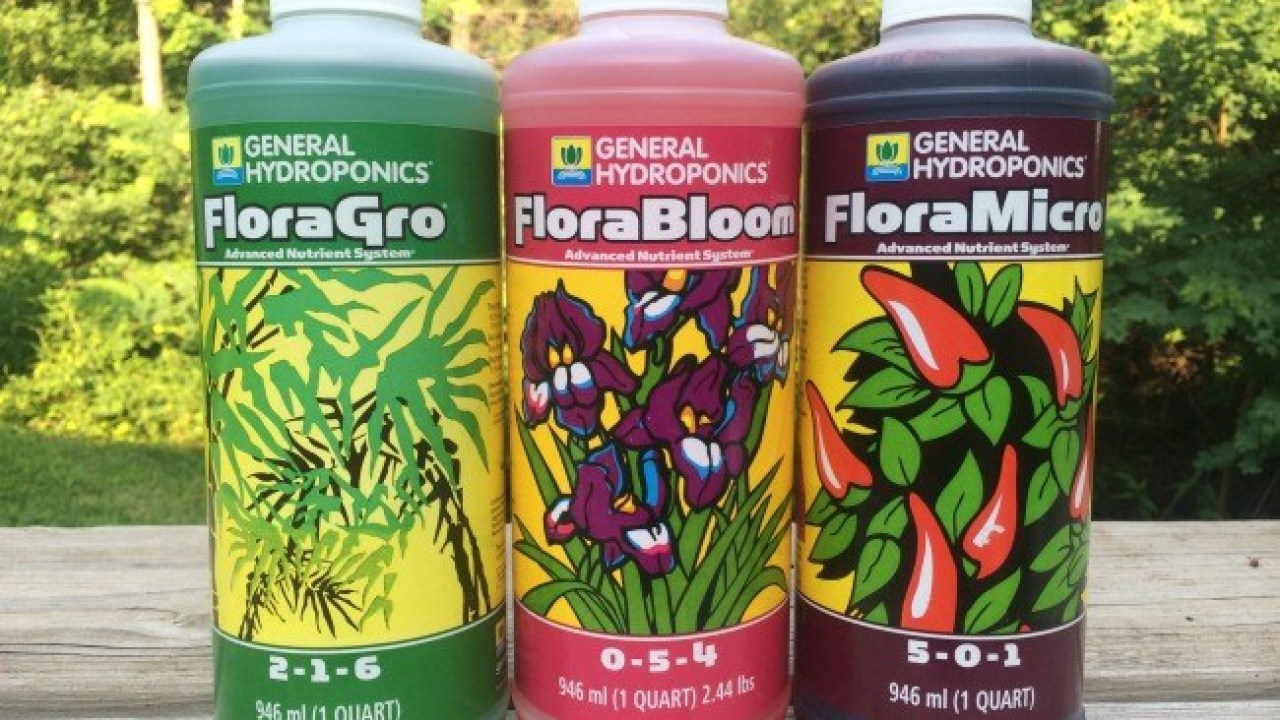
The methods you use for general hydroponics differ depending on the type of plant you are developing. Plants’ requirements change as they evolve over each stage of their life cycle. During the growth period of your plants, you can use many different product varieties to rising and boom. You will then be able to determine which nutrients are needed for each growth period of your strategy.
The nutrients used in hydroponics dissolve in water and are usually in Ionic and inorganic forms. Potassium nitrate, calcium nitrate, magnesium sulphate, and potassium phosphate are some of the most widely used macronutrients.
Remarkable Advancements
Because of the lack of pests and the steady supply of nutrients supplied to the plants, general hydroponics is highly beneficial. Since most hydroponic production takes place indoors and in enclosed greenhouses, plant growth can be limited; however, the yield of the indoor growing process may be improved by adding CO2 to the environment. For moore information visit our Website