
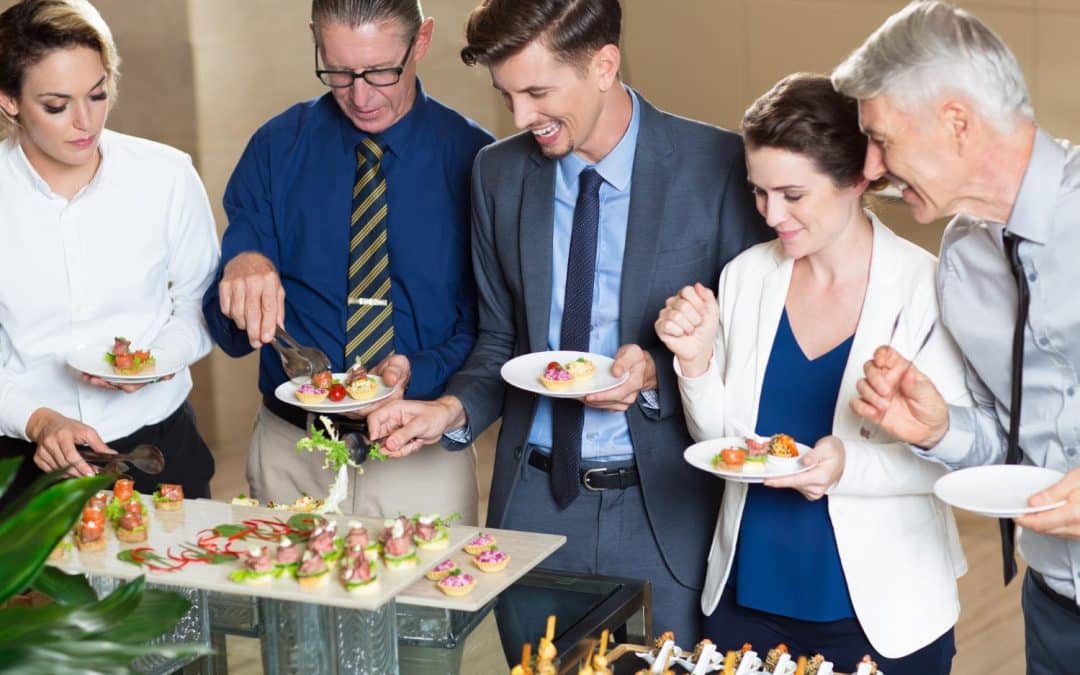
Office morale doesn’t rise because someone brought cupcakes to a Monday meeting. It grows from shared experiences that feel genuine, memorable, and slightly outside the norm. That’s where culinary corporate team activities are making their mark, not as a novelty, but as an effective way to engage minds and lift spirits.
Food as a Creative Medium
Cooking taps into creativity in a way that feels approachable. You’re not staring at a blank canvas; you’re holding fresh ingredients, following textures, and adjusting flavours. Teams step away from spreadsheets and strategy decks and into a space where instinct matters just as much as planning. That shift often unlocks problem-solving skills that aren’t visible in typical office settings.
Confidence Without Competition
Many team events come with hidden pressure. Whether it’s scoring points or outperforming colleagues, some people disengage the moment it becomes a contest. Cooking offers a different rhythm. Everyone contributes, and the outcome is shared. The focus moves from outperforming others to building something together, literally from scratch.
Breaking Routine to Reignite Energy
No matter how well a team functions, routines eventually wear thin. Stepping into a kitchen flips the script. People who usually sit behind a desk are stirring sauces, managing timing, and plating dishes. The change of scenery and purpose does something valuable: it re-energises. That energy often carries back into the workplace in the form of fresh thinking and stronger collaboration.
Soft Skills Served Naturally
No PowerPoint slides, no simulations, just real-time decisions and active listening. Culinary tasks develop skills that every organisation needs more of: patience, timing, trust, and adaptability. The best part? It doesn’t feel like a lesson. People walk away more aware of each other’s strengths, often without realising how much they’ve practiced.
Levelling the Playing Field
The kitchen has a way of balancing dynamics. A new hire might lead a group through rolling dough. A senior manager might struggle with slicing onions. These small shifts in power often lead to bigger shifts in perspective. When everyone’s learning together, hierarchy fades and connection grows.
Why It Lasts Longer Than the Meal
The importance of corporate team activities leaves an impression because they ask teams to slow down, focus, and create something real. The process sparks laughter, curiosity, and shared success, the very things that bring a team closer and sharpen creative thinking. And unlike catered lunches or office snacks, this kind of experience lingers.