
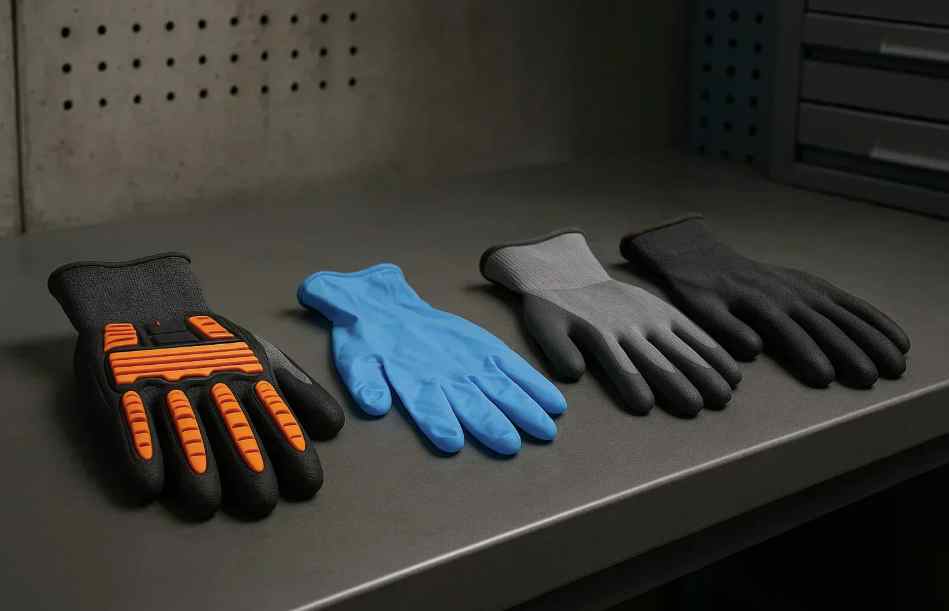
Hand protection gloves are one of the most essential pieces of safety gear in any workplace or home environment. Whether you are working in a factory, garden, or kitchen, the right gloves can protect your hands from serious injuries.
Choosing the correct gloves is not just about comfort. It is about ensuring your safety every single day. The good news is that finding quality options has never been easier.
Why Hand Protection Gloves Matter
Our hands are constantly exposed to risks like cuts, chemicals, heat, and rough surfaces. Without proper protection, even a small accident can cause a serious injury that affects your daily life.
Hand protection gloves act as a barrier between your skin and potential hazards. They reduce the risk of wounds, burns, and long-term damage caused by repeated exposure to harmful materials.
Investing in good gloves is a simple step that can prevent painful and costly injuries in the long run.
Different Types of Hand Protection Gloves
Not all gloves are designed the same way. Each type is built for a specific purpose and environment.
Here are the most common types you should know about:
- Cut-resistant gloves: Protect against sharp tools, blades, and metal edges.
- Chemical-resistant gloves: Shield hands from acids, solvents, and cleaning agents.
- Heat-resistant gloves: Ideal for welding, cooking, and high-temperature environments.
- Disposable gloves: Used in medical, food handling, and hygiene-sensitive tasks.
- Anti-vibration gloves: Reduce strain from power tools and heavy machinery.
Choosing the right type depends entirely on the nature of your work and the risks involved.
How to Choose the Right Gloves for Your Needs
Selecting the perfect hand protection gloves requires a little thought and understanding of your specific requirements.
-
Consider the Work Environment
Think about the hazards you face daily. If you work with chemicals, you need gloves with strong resistance to liquids. If you handle sharp materials, cut-resistant gloves are your best option.
Always match the glove material to the type of risk. Using the wrong gloves can give a false sense of safety without providing real protection.
-
Check the Fit and Comfort
A glove that is too tight restricts movement and causes fatigue. One that is too loose reduces grip and increases the chance of accidents.
Always choose gloves that fit snugly and allow easy hand movement. Comfort is just as important as protection because uncomfortable gloves are often removed during work.
Caring for Your Hand Protection Gloves
Proper maintenance extends the life of your gloves and keeps them effective. Always inspect gloves before use for any tears, holes, or worn areas.
Clean reusable gloves according to the manufacturer’s instructions. Store them in a cool and dry place away from direct sunlight to prevent material breakdown.
Replace gloves immediately when you notice signs of damage. A damaged glove offers little to no protection and puts your hands at serious risk.
Conclusion
Hand protection gloves are a small investment that makes a huge difference in workplace and home safety. They protect your most valuable tools, which are your hands.
Whether you are a professional worker or a weekend DIY enthusiast, wearing the right gloves should always be a non-negotiable habit. Stay safe, stay protected, and never underestimate the importance of proper hand protection.