
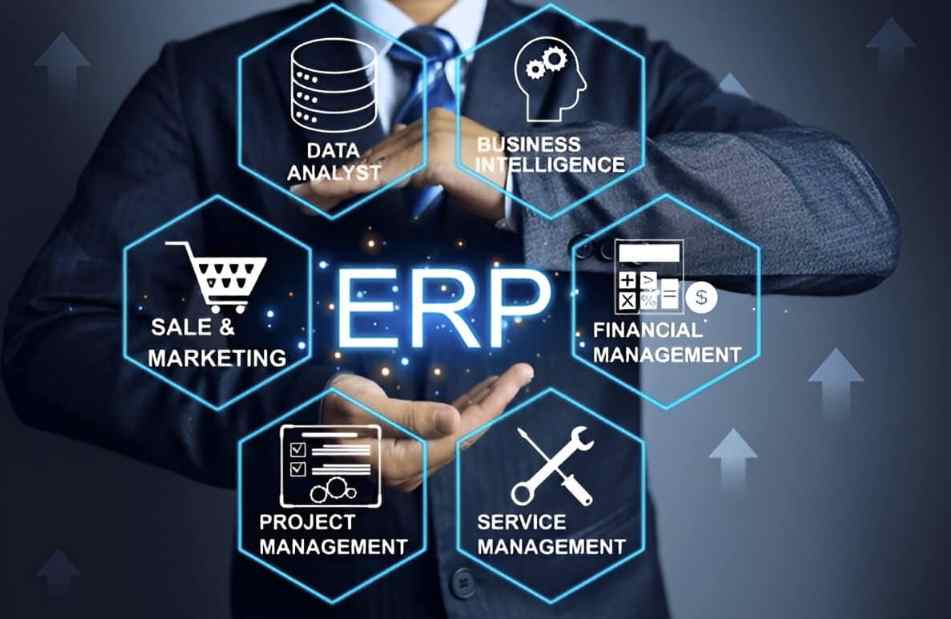
For decades, enterprise resource planning (ERP) was dominated by heavy, on-premises installations. These legacy setups required expensive on-site servers, dedicated IT maintenance teams, and complicated manual software updates. As modern business environments demand greater agility, remote work flexibility, and real-time collaboration, companies of all sizes are leaving traditional architecture behind.
Migrating to modern cloud-based ERP systems provides companies with a flexible, cost-effective infrastructure that connects finance, supply chain, human resources, and sales operations securely through the cloud.
On-Premise vs. Cloud Architecture
The shift from on-premise software to cloud-hosted platforms represents a major operational leap forward. Traditional on-premise systems come with high upfront capital expenditures for servers, licensing, and backup hardware.
They also require continuous internal IT maintenance to handle patches, security fixes, and hardware replacements.
In contrast, cloud ERP platforms operate on a secure subscription model. The service provider handles all underlying server maintenance, data backups, and security updates, allowing businesses to redirect their IT resources toward strategic, value-adding projects.
Primary Advantages of Cloud-Based ERP
Deploying your business operations in the cloud provides several major operational benefits:
1. Universal Access for Hybrid Teams
With data hosted securely in the cloud, employees can access real-time dashboards, process customer orders, and update inventory counts from anywhere using a laptop, tablet, or smartphone. This accessibility is essential for distributed teams, field representatives, and multi-location companies.
2. Continuous, Automatic Updates
Legacy systems often run on outdated software versions because manual upgrades are disruptive and costly. Cloud platforms receive regular, seamless updates in the background, ensuring your business always has access to the latest features, compliance standards, and security protocols.
3. Enterprise-Grade Security
Leading cloud platforms utilize advanced encryption protocols, multi-factor authentication, automated backups, and 24/7 server monitoring. This level of cybersecurity is often far stronger and more reliable than what mid-sized businesses can manage in-house.
4. Modular Scalability
Cloud platforms grow alongside your business. You can start with essential accounting and inventory modules, then easily add CRM capabilities, supply chain tools, or advanced business intelligence features as your operational demands expand.
How to Select the Right Cloud Platform
When evaluating cloud solutions for your business, consider the following factors:
- Customization and Integrations: Ensure the platform integrates smoothly with your existing ecommerce stores, banking portals, and payment processors.
- User Experience: Choose a platform with an intuitive, clean interface that minimizes training time for your staff.
- Reliable Support: Partner with a vendor that provides dedicated onboarding assistance, comprehensive training resources, and responsive technical support.
Future-Proof Your Business Infrastructure
Transitioning your core operations to the cloud removes the limitations of legacy software and gives your team the real-time insights needed to make smart decisions quickly.
Discover the powerful features and scalable architecture available at PrimeStation to learn how cloud enterprise solutions can elevate your operational efficiency.